
Respiratory diseases are common in horses. Equine asthma (formerly known as chronic obstructive pulmonary disease, COPD), laryngeal hemiplegia, nasal conchal necrosis, and guttural pouch infections are increasingly prevalent and represent major challenges in equine management, regardless of breed or intended use.
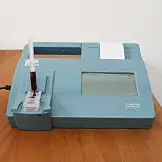
A thorough airway examination at our clinic includes auscultation of the lungs at rest and, when possible, after exercise. Arterial blood gas analysis is used to measure the partial pressures of oxygen and carbon dioxide, providing valuable information about pulmonary ventilation and gas exchange abnormalities. This test is performed by collecting an arterial blood sample and analysing it in our in-house laboratory.
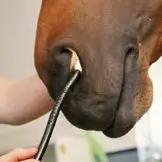
Endoscopy is an important diagnostic imaging method that allows direct visualisation of the nasal passages, pharynx, larynx, guttural pouches, trachea, and main bronchi. During bronchoscopy, tracheobronchial secretions or bronchoalveolar lavage (BAL) samples can be collected for further cytological analysis. In selected cases, additional imaging modalities, such as thoracic radiography or ultrasonography, may provide further diagnostic information.
Diseases of the Lower Respiratory Tract
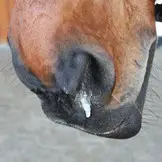
Equine asthma is one of the most common chronic diseases of the lower respiratory tract in horses. The mild to moderate form (formerly referred to as inflammatory airway disease, IAD) typically presents with coughing, nasal discharge, and occasionally reduced performance. The severe form of equine asthma (formerly known as COPD or recurrent airway obstruction, RAO) is characterised by dyspnoea (difficulty breathing), tachypnoea (increased respiratory rate), and sometimes paroxysmal coughing. The aetiology of equine asthma is multifactorial but is often associated with prolonged exposure to dusty stable environments and contaminated forage. Excessive mucus production within the airways, combined with bronchoconstriction, leads to characteristic clinical signs such as coughing and nasal discharge.