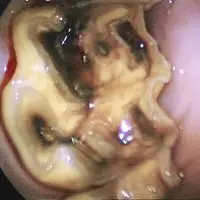

Dentistry is becoming increasingly important in equine medicine. Dental problems can manifest in a wide variety of ways, affecting performance, behaviour, and general health.
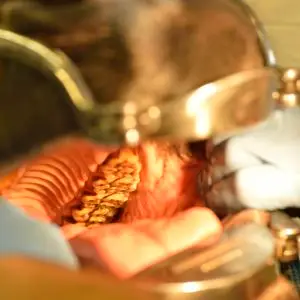
For both ambulatory and hospital-based dental care, including Dental Routine Treatments we follow the latest Dental Surgery and utilise modern equipment and techniques.
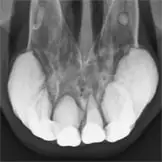
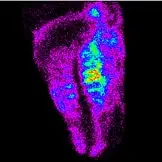
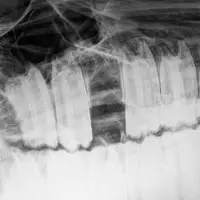
When required, a range of advanced imaging modalities can be employed for diagnostic purposes, including Endoscopy of the oral cavity, digital radiography, Computed tomography (CT), Skeletal Scintigraphy and Ultrasound für weitere Diagnostik zurückgreifen.
For diseases of the teeth, jaws, and paranasal sinuses, almost all diagnostic procedures and surgical interventions can be performed under standing sedation, using minimally invasive techniques whenever possible.
Dental Routine Treatments
It is advisable to have horses’ teeth examined at least once a year by a veterinarian specialising in equine dentistry.
- Routine outpatient dental treatment under sedation, including additional diagnostics if necessary
- Inpatient routine dental treatment under sedation, performed while the horse is hospitalised for another condition
- Tartar removal
- Dental restoration
Further Dental Examinations (under Sedation)
- Endoscopy of the oral cavity
- Digital radiography for visualisation of tooth roots, jaw bones, and paranasal sinuses
- Endoscopy of the nasal passages and paranasal sinuses
- Computed tomography (CT) in a standing horse, providing detailed imaging of all head structures, including teeth, nasal passages, paranasal sinuses, temporomandibular joints, hyoid apparatus, guttural pouches, and skull bones. CT is particularly useful for further evaluation of unilateral nasal discharge, tumours, or fractures of the upper or lower jaw or skull